Let’s be honest… banner ads are everywhere. But the difference between one that gets ignored and one that actually drives clicks often comes down to something surprisingly simple: size.
Banner ad dimensions aren’t just a technical detail; they directly impact how visible your ads are, how users engage with them, and how much revenue you can generate.
The right size can boost your CTR, grab attention in the right places, and make your campaigns (or ad placements) work harder for you. The wrong one? Easy to miss, easy to ignore, and a missed opportunity overall.
Whether you’re an advertiser trying to get more clicks or an affiliate looking to increase conversions, this guide will help you understand which banner sizes actually make a difference and how to use them smarter.
TL;DR
- Banner ad size directly impacts visibility, CTR, conversions, and ROI. Choosing the right format matters as much as the creative itself.
- Different devices and placements require different banner dimensions, with formats like 300×250 and 728×90 remaining top industry performers.
- Testing multiple banner sizes and placements is essential for optimisation. Performance varies by audience, niche, device, and campaign goal.
- Mobile-friendly, standard IAB banner sizes combined with strong creatives and strategic placements deliver the best scalability and monetisation results.
What Are Banner Ads?
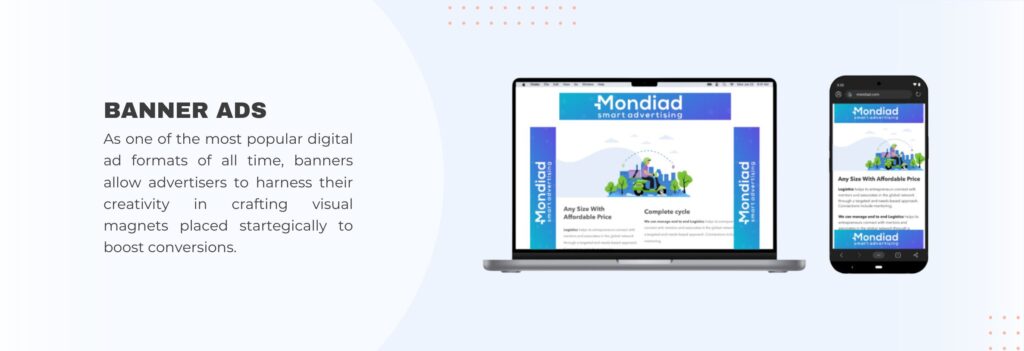
Banners are an ad format displayed on websites and apps in designated ad spaces. They come in many sizes, usually rectangular, including images, animations, or rich media and are designed to drive traffic, conversions, or brand awareness.
The Purpose of Banner Ads
Banner ads remain one of the most versatile formats in digital advertising. Whether you are an advertiser aiming for scale or a publisher focused on revenue, banner ad sizes and placements can be adapted to multiple strategic goals.
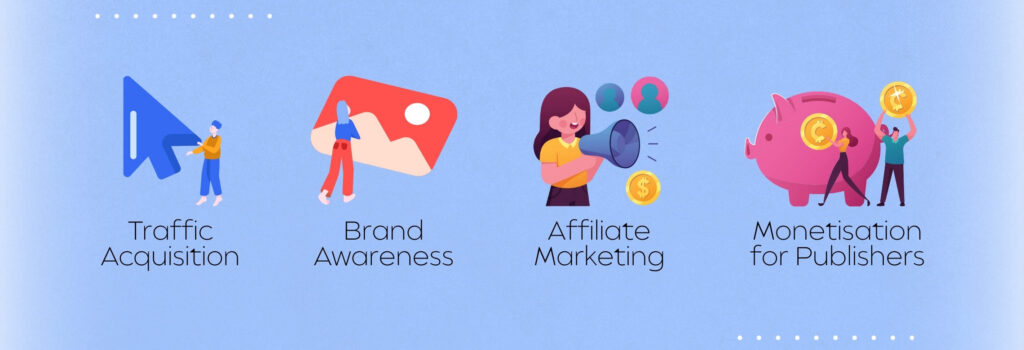
- Branding Campaigns: Banner ads are widely used for brand awareness and visibility campaigns where the main goal is to reach as many relevant users as possible.
- Traffic Acquisition Campaigns: For advertisers in affiliate marketing and performance-driven ecosystems, banner ads are a core tool for driving targeted traffic to landing pages, offers, or funnels.
- Monetisation for Publishers: Publishers use banner ads as a primary revenue stream by displaying advertiser creatives across their websites or apps.
- Affiliate Marketing Campaigns: In affiliate ecosystems, banner ads are used to promote offers across multiple verticals such as finance, e-commerce, dating, and utilities.
Types of Banner Ads
Each type of banner ad serves a different strategic purpose. The best-performing advertisers don’t rely on a single format. Instead, they combine multiple banner ad types and align them with the right banner ad sizes, placements, and audience segments.
| Type of Banner Ad | Description | Best Use Case | Key Benefit |
|---|---|---|---|
| Static Banner Ads | Single-image ads with no animation | Brand awareness, simple campaigns | Fast loading, widely supported |
| Animated Banner Ads | Moving or interactive visuals | Performance campaigns, engagement | Higher attention and CTR |
| Rich Media Banner Ads | Interactive ads with video, audio, or expandables | Premium branding campaigns | High engagement and recall |
| Native Banner Ads | Blends into website content style | Affiliate marketing, content traffic | Less intrusive, higher trust |
For publishers, offering diverse banner formats improves fill rates and revenue potential while for advertisers, it ensures better optimisation, higher CTR, and stronger overall campaign performance in competitive affiliate markets.
Why Banner Ad Sizes Matter
Naturally, the size of a banner directly influences how it appears, where it can be placed, and how effectively it drives results across different devices and traffic sources.

“The click-through rate can change based on where the ad is placed on the screen and its format (shape and size). Traditional full banners don’t perform well compared to skyscrapers or medium and large rectangles.”
smartinsights.com
Direct Impact on Performance
Different banner sizes perform differently depending on placement, audience, and device. Advertisers who optimize sizes typically see better conversion rates and lower cost per acquisition (CPA).
Better Budget Efficiency and ROI
The right banner sizes help advertisers maximise value from every impression as optimized placements increase overall ROAS
Improved Targeting Across Devices
Advertisers must reach users across desktop, mobile, and tablet environments. Each device requires different banner dimensions to maintain effectiveness.
| Desktop | Larger formats for visibility |
| Mobile | Compact, high-impact formats for small screens |
| Tablet | Flexible or responsive formats for mixed layouts |
Using the correct sizes ensures consistent performance across all traffic sources.
Higher Compatibility with Ad Inventory
Ad networks and publishers rely on standard banner ad sizes. Advertisers who use these formats gain access to better global reach and scalability.
Non-standard sizes often limit inventory and reduce campaign delivery.
Stronger A/B Testing and Optimisation
Using multiple banner sizes allows advertisers to compare performance across formats and scale winning creatives faster.
Most Common Banner Ad Sizes
Websites aren’t built the same. A news site, a blog, and an app all have different structures, so that’s why ad slots variation matter.
Tall sidebars → skyscrapers (e.g., 160×600)
Wide headers → leaderboards (728×90)
In-content → rectangles (300×250, 250×250)
If there were only one banner size, it simply wouldn’t fit most layouts.
Different sizes also perform better depending on placement and user behaviour, allowing advertisers to optimise results. At the same time, publishers use multiple sizes to monetise different spaces and maximise revenue.
Industry-wide standardisation is driven by the Interactive Advertising Bureau (IAB), which defines universal banner ad formats such as 300×250, 728×90, and 160×600. These standards ensure compatibility across publishers, advertisers, and ad networks.
Mondiad Banner Ads Portfolio
Luckily, here at ad network Mondiad, we support a wide range of banner ad sizes to give you the flexibility you need to scale and succeed.
- With multiple formats available, your campaigns can seamlessly run across different placements, whether it’s high-impact headers, in-content spots, or sidebars, ensuring maximum visibility on every device. This means more reach, better engagement, and stronger performance.
- For publishers, our diverse banner inventory unlocks more monetisation opportunities. Every space on your website (or app) can be optimised with the right ad format, helping you increase fill rates and boost revenue without compromising user experience.

Medium banner [300×250], [315×300]
A high-performing, versatile ad unit that works within content, sidebars, and end-of-articles. Often one of the top-performing sizes for CTR.
Full banner [468×60]
A more prominent mobile format that improves visibility without overwhelming the user experience.
Square banner [250×250]
Its balanced shape makes it easy to fit into various placements without disrupting page layout.
Leaderboard [728×90]
One of the most widely used banner formats, typically placed at the top of a webpage. It delivers strong visibility and is ideal for branding campaigns.
Skyscraper [120×600]
A vertical format placed in sidebars. It performs well for sustained visibility as users scroll.
Mobile Header [300×100]
A compact banner ideal for placement at the top or bottom of mobile screens.
Billboard [950×250]
A premium, large-format banner used for high-impact branding campaigns and strong visual storytelling.
Banner Ad Placement Strategies
Now that we got banner ad sizes out of the way, we need to talk about another aspect that highly influences banner’s performance: banner ad placement. Even the best banner ad sizes won’t perform well without a proper placement strategy.
| Placement Type | Description | Best Use Case | Key Benefit |
|---|---|---|---|
| Above the Fold | Appears at the top of the page before scrolling | Awareness campaigns, brand visibility | Highest visibility and strong CTR potential |
| In-Content Placement | Inserted naturally within articles or editorial content | Affiliate offers, performance campaigns | Blends with content and drives high engagement |
| Sidebar Placement | Located on the left or right side of a webpage | Desktop campaigns, skyscraper formats | Provides continuous visibility during scrolling |
| Sticky Banners | Fixed position that remains visible while scrolling | Mobile campaigns, retargeting | Maximises viewability and sustained attention |
Test, don’t guess!
Different placements = different results. The best strategy is to test multiple positions and sizes to see what actually converts for your audience.
Choosing the Right Banner Size for Your Campaign
1. Based on Campaign Goal
Your objective should always determine your banner format.
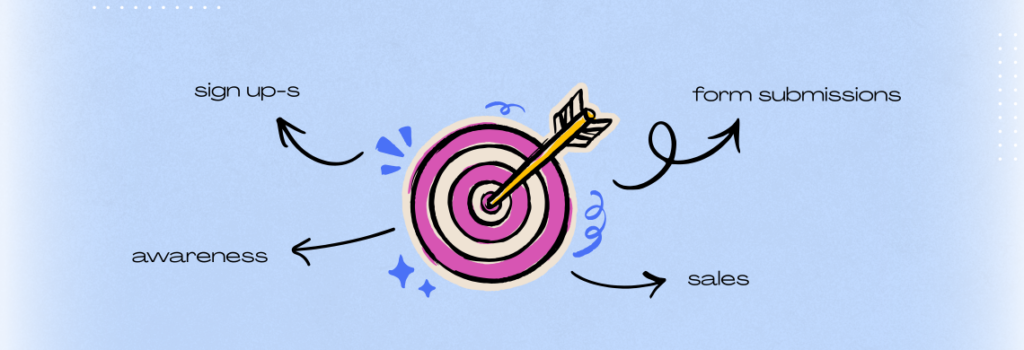
| Traffic Acquisition | Use high-visibility, click-friendly formats like 300×250 or 728×90 |
| Conversions (Performance/CPA | Focus on in-content and mobile-friendly sizes like 300×250 and 320×100 |
| Branding Campaigns | Use large-impact formats like 970×250 or 160×600 for maximum exposure |
Different goals require different attention levels, so aligning size with intent is essential for ROI.
2. Based on Niche / Vertical
Different industries respond differently to visual formats and user intent.
- Finance: Larger, trust-focused formats perform better (728×90, 300×250)
- Dating: Bold, attention-grabbing creatives work best (320×100, 300×250)
- E-commerce: Product-focused banners with in-content placements convert well
- Utilities: Simple, clean designs in standard sizes perform best
Check out this case study highlighting the power of Mondiad banners and finance offers.
The more competitive the niche, the more important creative + size optimisation becomes.
3. Budget Considerations
Banner size also affects media cost and efficiency.
- Premium placements (970×250, above-the-fold leaderboard) often come with higher CPMs;
- Standard sizes like 300×250 offer the best balance of cost and performance;
- Smaller mobile formats may deliver cheaper impressions but require stronger volume scaling.
You will also really want to out the Mondiad targetCPA bidding. Banners help drive volume across different placements, while TargetCPA filters traffic toward the most valuable users, so you’re not just getting impressions, but conversions at a predictable cost.
Together, this combo lets you scale campaigns confidently while keeping ROI under control.
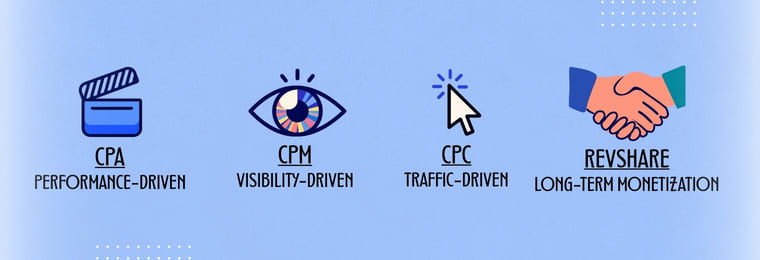
Smart advertisers balance cost efficiency with performance by testing multiple banner ad sizes instead of relying on a single high-cost format.
Banner Ad Size Cheat Sheet ( Table)
| Size | Name | Best Use |
|---|---|---|
| 728×90 | Leaderboard | Top-page branding |
| 300×250 | Medium Rectangle | Best overall performance |
| 160×600 | Skyscraper | Sidebar visibility |
| 970×250 | Billboard | Premium branding |
| 320×50 | Mobile Leaderboard | Mobile top/bottom placement |
| 320×100 | Large Mobile Banner | Mobile engagement |
Common Mistakes to Avoid
Even experienced advertisers and publishers can lose performance (and revenue) by overlooking key fundamentals of banner advertising.
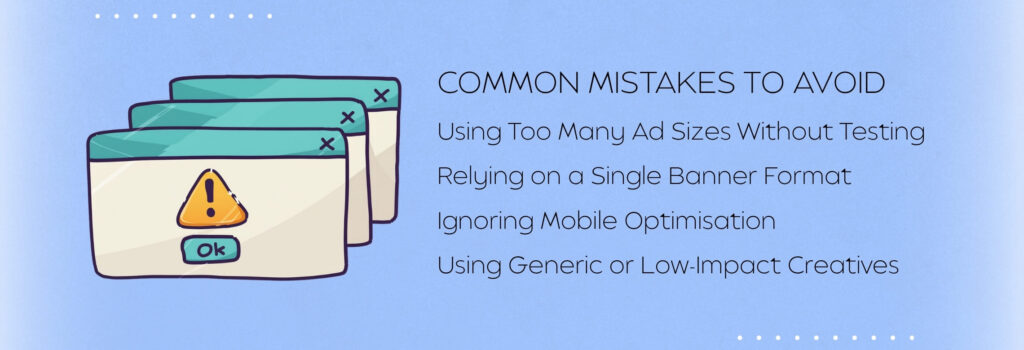
Using Too Many Ad Sizes Without Testing
Running multiple banner ad sizes without proper testing often leads to fragmented data and unclear performance insights. Instead, focus on a few high-performing formats, test systematically, and scale what works.
Relying on a Single Banner Format
Similarly, using only one banner size limits reach and optimisation potential. Different placements and devices require different formats, so diversification is key to maximising performance across inventory.
Ignoring Mobile Optimisation
With mobile traffic dominating most verticals, failing to optimise for mobile can significantly reduce earnings and conversions. Always prioritise mobile-friendly banner formats and ensure creatives are responsive across devices.
Using Generic or Low-Impact Creatives
Weak visuals, unclear messaging, or non-adapted creatives significantly reduce campaign effectiveness. Banner ads need to communicate value in seconds.
Banner Ad Variations FAQ
Banner sizes affect visibility, placement opportunities, user engagement, and overall campaign performance. The right size can improve CTR, conversions, and ROI while also increasing compatibility with publisher inventory.
Placement plays a major role in banner performance. Above-the-fold, in-content, sidebar, and sticky placements all generate different levels of visibility, engagement, and CTR.
Yes. Testing multiple banner sizes allows advertisers to compare performance across placements and devices, helping optimise campaigns and scale winning creatives faster.
Publishers can increase revenue by using high-demand standard banner sizes, improving ad viewability, testing placements, and balancing monetisation with user experience.
Recommended reads:
- Shein Affiliate Program: A Guide to Banner Advertising for Affiliates!
- Driving Sales with Temu: A Guide to Advertising for Affiliates!
- Your Guide to Unlocking Banner Ad Revenue
- Mondiad Case Study: Cutting Costs with Traffic Segmentation
Start Your Mondiad ADventure!
Now that you’ve soaked up all this info on banner ads, it’s time to take action. Mondiad banner ads are one click away.
For advertisers, success comes from matching banner size to intent, whether it’s traffic acquisition, conversions, or branding, while continuously optimising creatives and placements.
For publishers, maximising revenue depends on prioritising high-demand standard formats, improving viewability, and maintaining a balance between user experience and ad density.